Violin lessons Launceston & Sydney
Masterclasses & Online Lessons

MASTERCLASSESUnlocking Diploma-Level Violin Achievement: A Structural, Causal Approach to Technical Mastery. Do you cook a meal before you eat it, or after? Do you tune a note before you play it, or after? Do you change the bow before the finger is prepared, or after? After decades as a diploma examiner, tertiary lecturer, adjudicator, and co-examiner alongside Conservatorium and University professors, I observe two consistent technical profiles in examination rooms: 1. Logical sequencing that creates success. Consider the value of logical sequencing: Every technique takes time — even thinking. When technique is organised into a logical timeline, intonation and co-ordination become definable and teachable. Listening, pressure points, and the sensation of the coordinated moment are no longer intuitive — they are structured as definable knowledge. Despite the globalisation of EdTech and knowledge sources, traditional pedagogy continues to struggle with advanced co-ordination. The well known violist Lillian Fuchs is attributed as saying, “Jump, Scream, and Play!” But technical security is not theatre — it is structure. Why This Matters for Music Departments I have developed a diagnostic framework that: • Reduces late-stage technical plateau | 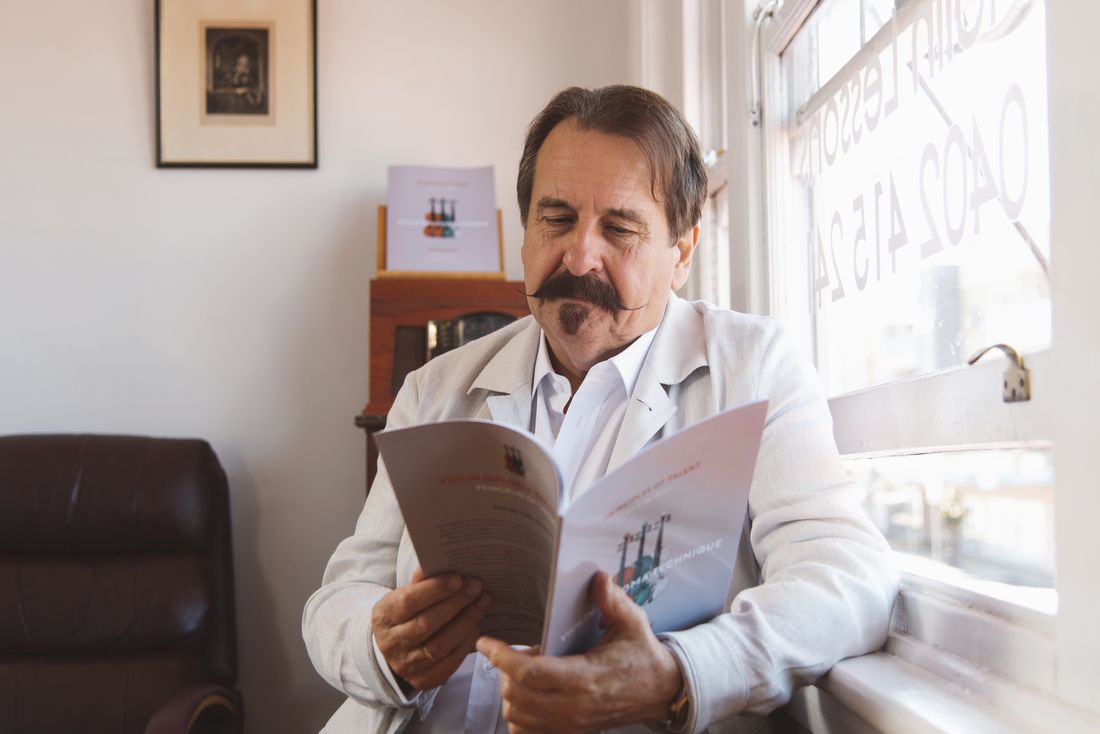 |
AND THERE’S MORE!
LINEAR PROGRESS
Music departments often report the problem of non-linear student progress, despite student practice. This issue is also solved from my defining of the different technical approaches that were introduced at different historical times. Like advancing through game levels, each stage introduces new technical demands. Licentiate technical demands, for instance, are not captured by candidates only practicing beginner up methods.
These new pedagogical approaches are detailed in my book Violin Diploma Technique: Principles of Talent and delivered through masterclasses or curriculum-integrated modules.
Strategic Opportunity
Conservatoriums seeking pedagogical innovation or diploma optimisation may pilot timeline-based technique in advanced performance streams. The goal is not to replace tradition —but to make technical security reproducible.
I am offering institutions the opportunity to pilot this framework with measurable outcomes in intonation, co-ordination, and progression. If your department wants results you can measure, let’s talk. Excellence can be taught — with the right structure.
IF A STANDARD MASTERCLASS IS REQUIRED, ONLY REFERENCING GENERIC DIPLOMA OBJECTIVES AND GRADING CRITERIA, THEN I ALSO OFFER:
LEARN WHAT HAPPENS INSIDE THE EXAMINATION ROOM
Standards Expectations Preparation process Viva voce questions Warm up rooms Stylistic characteristics Maturity Repertoire choice Ensemble demands Instrument qualityTechnical security Burnout Nervousness Concentration Time limits The dynamics of the music education business.
No examination syllabus requires a candidate to play in the most technically difficult way.
| BIO Australian violinist Evan Elsley, brings a highly specialised insight into the research of Diploma violin technique. For decades, he has co-examined AMEB Diplomas, with Conservatorium and University Professors. He has mentored many diploma examiners, worked on diploma examiner review panels, and has been consulted on the technical components of grade exams. As a classical violin examiner, he has adjudicated thousands of performance candidates. These candidates have represented the broad church of teaching methods, tertiary music institutions, competitions, and the full spectrum of student abilities. He has also taught university violin performance, and teaching degrees. Evan's students have successfully won millions of dollars in awards, and scholarships. His former students are well known in the areas of performing, teaching, examining, and lutherie. EVAN ELSLEY, AUSTA PRESENTER
|



 |  |  |
 |  |  |
Every lesson without clear examiner-informed direction increases the cost of correction later
Technical Talent
Identifying the cognitive structure behind high-level technique removes the difficulty from advanced passagework. Using original research, Evan Elsley delves into the essence of intuitive technical talent, and the practicalities of how to think as a violinist. Referencing contrasting pedagogical approaches, from talent-driven master down teaching, to beginner up methods focused on grading criteria, the challenges faced by candidates in the exam room are demystified. Intonation woes to co-ordination issues are addressed with detailed solutions, adopting an informal, point-form approach for accessibility. When the mind is fully occupied with a technical timeline, then it has no time to think about being nervous.
Virtuosic technique is the ability to have both co-ordination and intonation securely prepared, at the exact moment of the bow change. It is achieved by a series of extremely easy intuitive techniques that can be felt as physical sensations.
1. Intonation and co-ordination
The ability to capture secure intonation and co-ordination is the biggest technical problem for candidates. Consider, every technique requires time. Thinking, bowing, moving a finger all take their own moment of time. Placing all technique into a timeline where something must be done to get a predictable result, provides a technical process that allows the finger to be already tuned and in contact with the string, at the exact moment of the bow change. This defines intonation and co-ordination at advanced levels. It also turns listening into an active technique that controls muscle memory.
2. Forces of nature and the bow
Many students fight against gravity and air pressure, using tension and muscle strength, particularly when string crossing. Beginner methods often reinforce this process. The forces of bow weight, gravity, muscle groups, and balance points generate speed that is not captured by practice alone. Compare Kreutzer Etude No 6, which is normally taught as whole bows starting with a down bow. Compare this to starting with an up bow. The intended technical result is the same, yet one captures greater finesse.
3. Momentum in fast passages
Unsettled technical control in fast passages is common at the Associate Diploma level. These rapid directional changes become manageable when applying preparation principles drawn from sport and dance.
4. Logic and invention
At the Licentiate level, progress depends on inventive and logical thinking. Most students continue to rely on beginner methods used at lower grade levels. Thinking like a violinist requires logic and creative problem-solving. Consider the technical requirement to play spiccato in the middle of the bow, yet the player finishes the previous note at the heel of the bow. This is not logical, yet it is a common problem. For fast passages, it is better to finish the previous note where you can immediately start the spiccato bowing.
5. Physical Sensations
Physical movement can create two technical sensations: difficult and easy. Technical talent gravitates towards achieving a required result using the easiest physical means.
ADJUDICATOR
2024
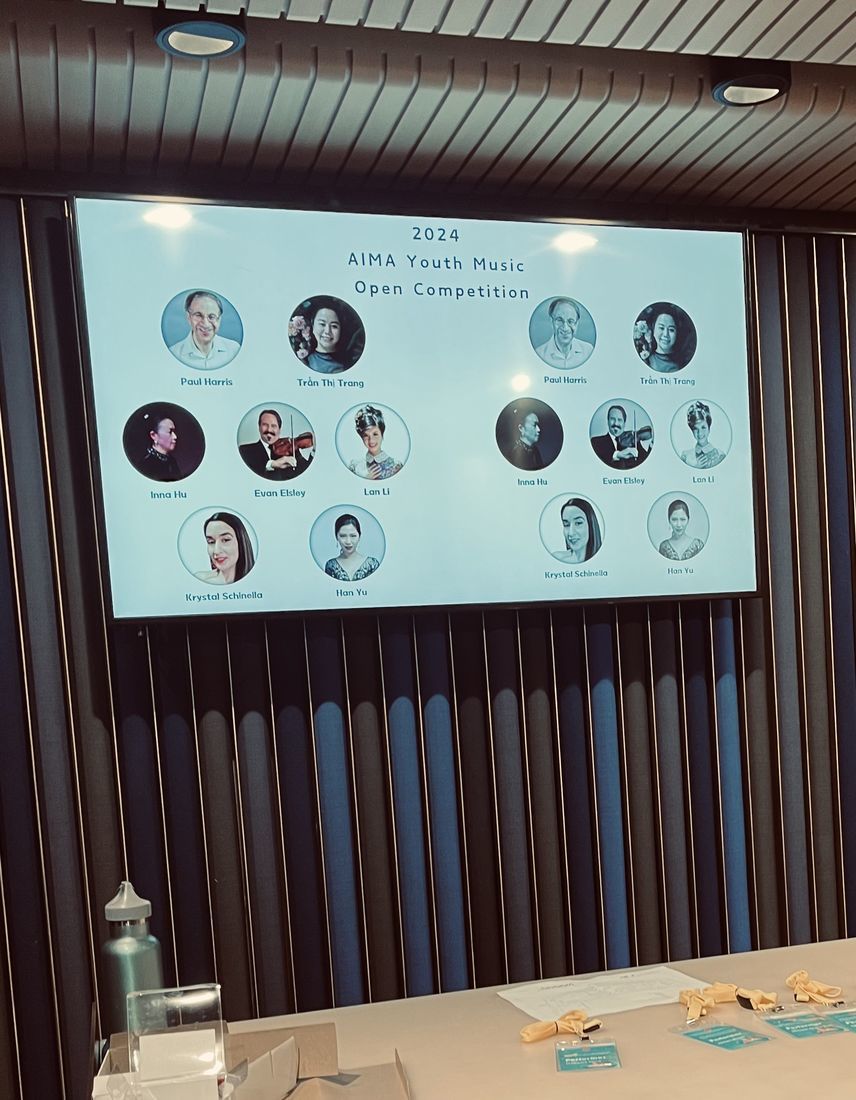
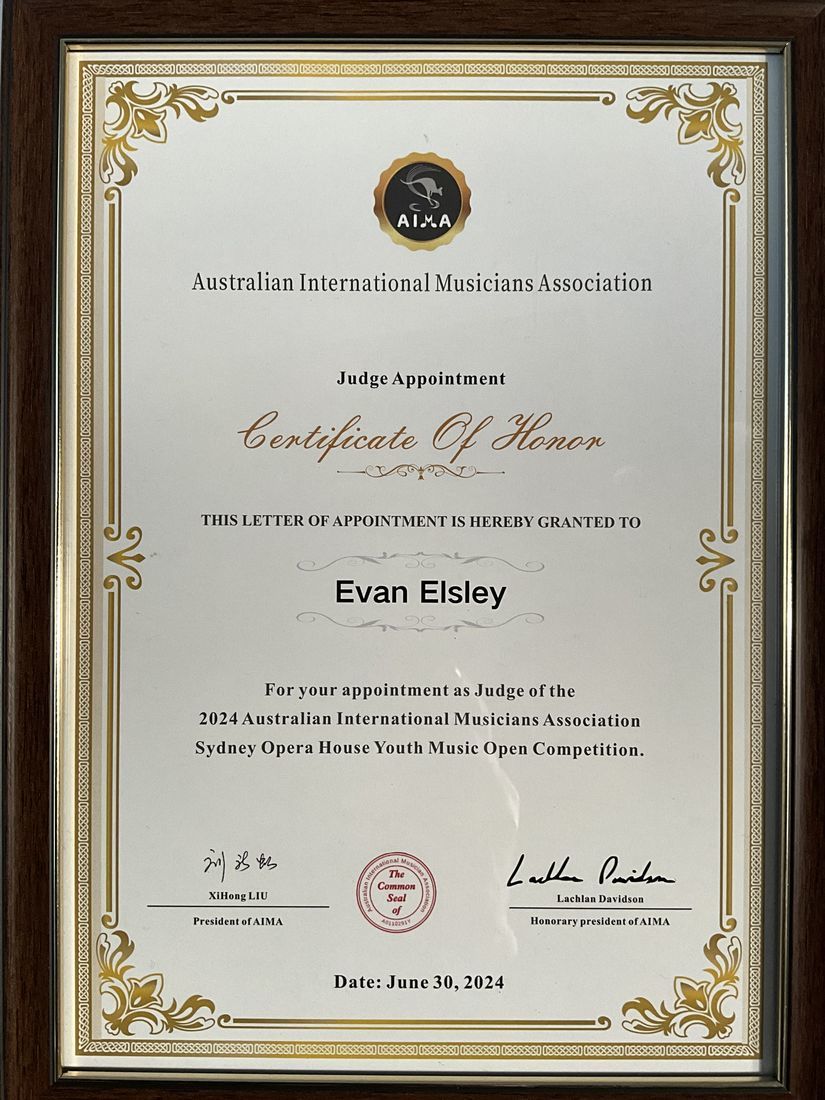
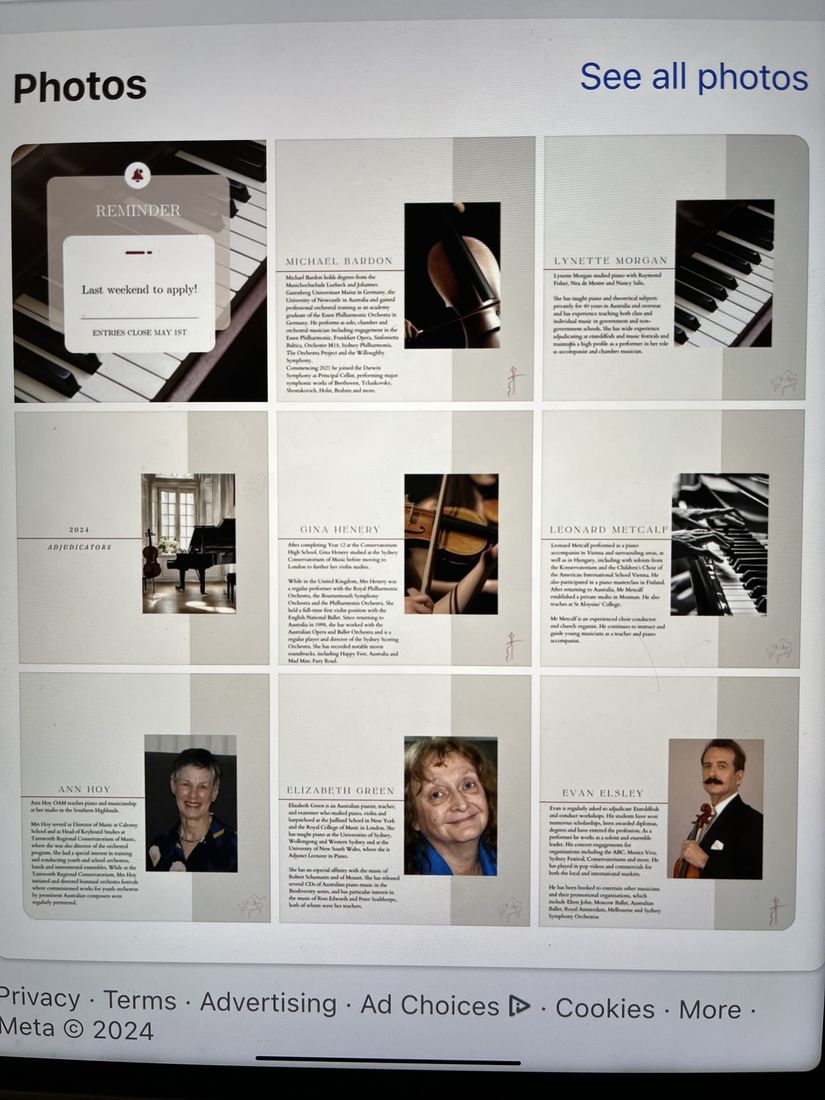
Head Strings Judge for the AIMA Sydney Opera House Youth Music Open Competition.
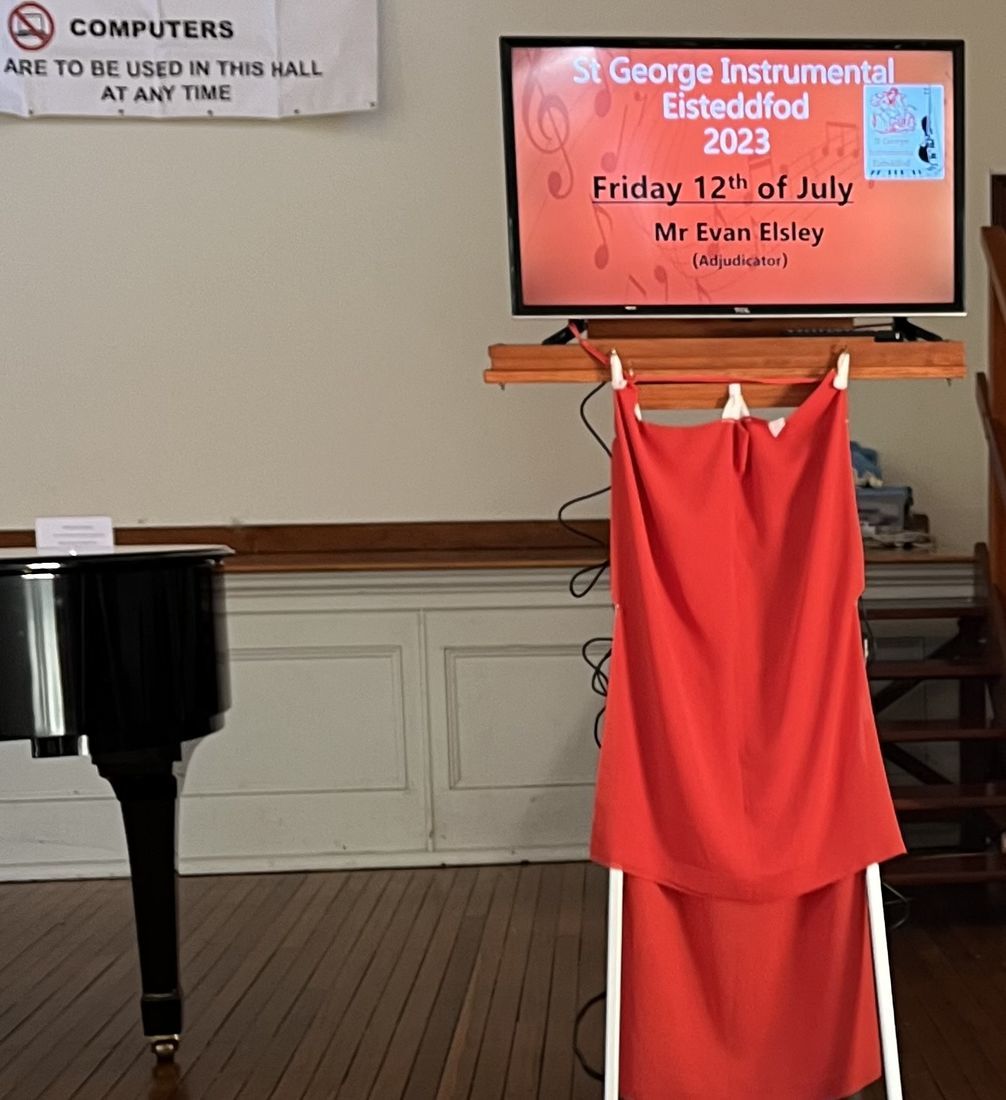
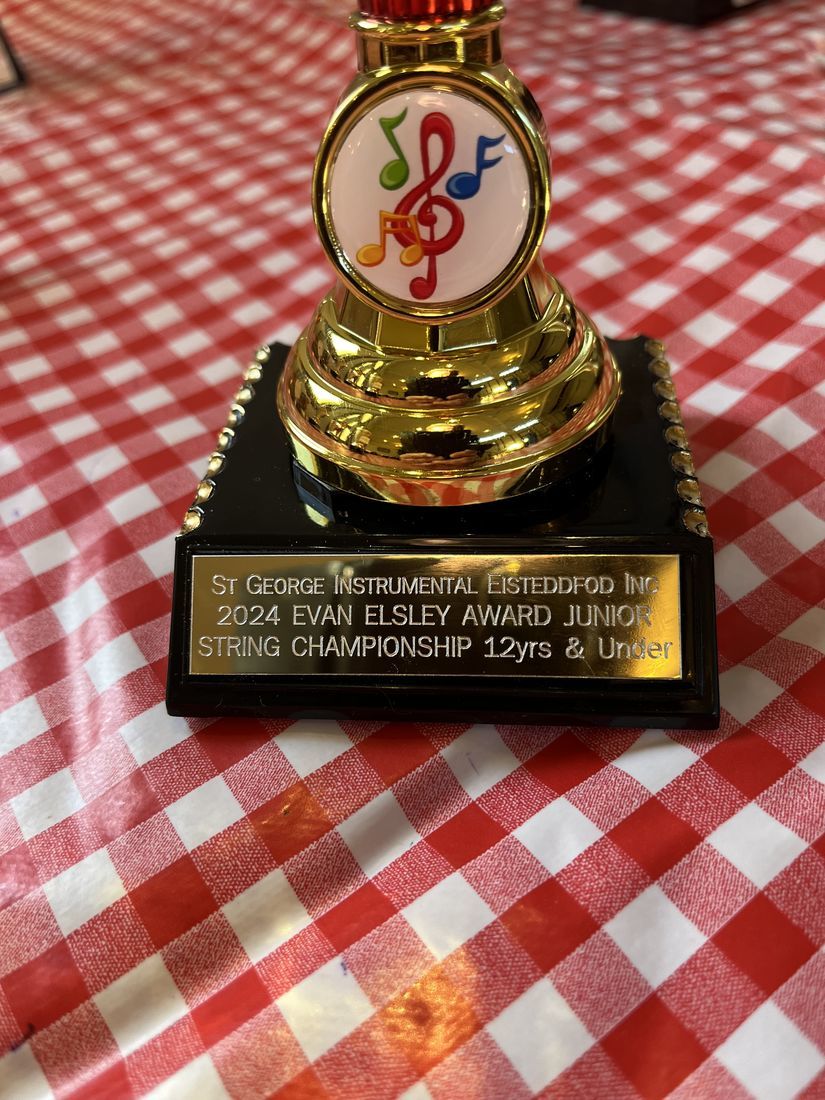
Strings adjudicator for the St George Eisteddfod.
Visiting examiner at multiple NSW Regional Conservatoriums
2025
AUSTA Presenter Sydney Conservatorium of Music